
What the Central Bank of Ireland Actually Does
The Central Bank sets interest rates, manages inflation, and oversees the banking system. We'll explain how these decisions affect your savings, your mortgage, and the broader economy.
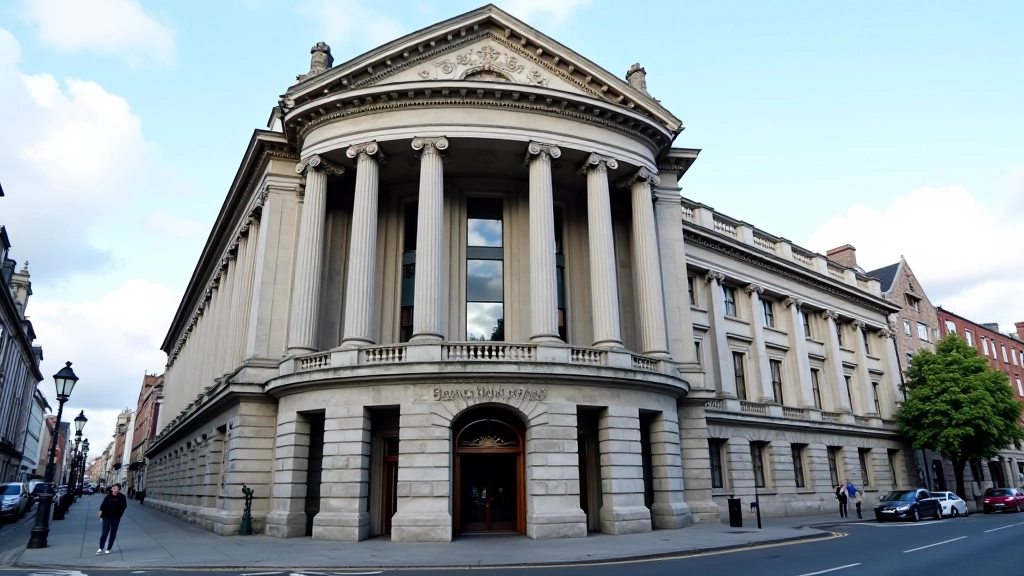
The Central Bank's Core Mission
Most people don't think much about central banks. But decisions made at the Central Bank of Ireland affect your everyday life — from the mortgage rate you pay to how much your savings earn in interest. It's not some distant institution. It's actively shaping the Irish economy right now.
The Central Bank of Ireland sits at the heart of the financial system. It's not a bank where you deposit money. Instead, it's a regulator and policymaker that oversees banks, sets interest rates, and tries to keep the economy stable. Think of it as a guardian of financial health.
Setting Interest Rates and Managing Inflation
Here's the deal: when prices start rising too fast, the Central Bank raises interest rates. This makes borrowing more expensive, which slows spending and brings inflation back down. It's not perfect, but it works most of the time.
Lower rates do the opposite — they encourage borrowing and spending, which can help during a recession. But Ireland's interest rates aren't actually set by the Central Bank of Ireland alone. The European Central Bank (ECB) sets rates for the entire eurozone, which includes Ireland. So the Irish Central Bank follows the ECB's lead on this one. What it does control is how those rates are communicated and how they're implemented across Irish banks.
Why This Matters to You
When rates rise, mortgage payments go up. When rates fall, you pay less. Over a 30-year mortgage, even a 1% difference means tens of thousands of euros. The Central Bank's decisions ripple through your personal finances.


Banking System Supervision
The Central Bank doesn't just suggest that banks be responsible. It enforces it. Every bank operating in Ireland needs approval from the Central Bank, and they're watched constantly.
Think of the 2008 financial crisis — banks took insane risks, and the whole system nearly collapsed. The Central Bank's job now is to make sure that doesn't happen again. It checks that banks have enough capital on hand. It ensures they're not lending recklessly. It reviews their management. Banks don't like this oversight because it limits how much profit they can make, but it protects ordinary people's deposits.
When you deposit money in an Irish bank, your account is actually insured up to €100,000 through a deposit protection scheme overseen by the Central Bank. That means even if a bank fails, you won't lose your money. That protection exists because of the regulatory framework the Central Bank maintains.
Payment Systems and Financial Infrastructure
Every time money moves in Ireland — from your salary being deposited to paying for groceries — it moves through payment systems that the Central Bank operates or oversees. You don't see it happening, but it's constantly working behind the scenes.
The Central Bank maintains the systems that allow banks to transfer money between each other. It manages Ireland's participation in European payment networks. And it's preparing for future challenges like digital currencies. The institution isn't stuck in the past — it's actively adapting to how people actually manage money today.
Quick Facts About the Central Bank
- Established: 1943
- Headquarters: Dublin
- Employees: Around 700 people
- Oversees: Over 300 regulated financial institutions
- Part of: European System of Central Banks (ESCB)


The ECB Connection: Ireland's Special Situation
Here's where it gets complicated. Ireland uses the euro, which means the European Central Bank has a lot of power over Irish monetary policy. The Central Bank of Ireland can't just set its own interest rates independently. It's part of a larger system.
But that doesn't mean the Irish Central Bank is powerless. It has a seat at the ECB's governing council, which means Irish interests get represented when big decisions are made. It also has its own authority over banking regulation and financial stability within Ireland. And it provides economic analysis and advice to the Irish government — even if the government doesn't always take it.
This dual role — part of a European system but also responsible for Ireland specifically — shapes everything the Central Bank does. It's balancing Irish needs with eurozone requirements. That's not always easy.
Related Articles




The Bottom Line
The Central Bank of Ireland isn't just some abstract institution. It's actively managing interest rates, supervising banks, maintaining payment systems, and working within the European framework to keep the Irish financial system stable. You don't see most of this work, but you feel the effects constantly — in your mortgage rates, in the security of your bank deposits, in the reliability of money moving around the economy.
Understanding what the Central Bank does helps you understand why certain economic policies exist and how decisions made in Dublin's financial district eventually affect your wallet. It's not simple stuff, but it matters. And now you know the real story behind one of Ireland's most important institutions.
Educational Disclaimer
This article is informational and educational in nature. It's intended to help you understand how the Central Bank of Ireland functions and its role in the broader financial system. It's not financial advice, and circumstances vary by individual situation. If you're making financial decisions — about mortgages, investments, or banking choices — consult with a qualified financial advisor or your bank directly. The information provided reflects general knowledge about central banking and Irish financial institutions as of April 2026.